




Top-Rated Plumbing Services in Tucson, AZ
At Ram Plumbing, Inc., we take pride in offering a full range of plumbing services designed to solve problems efficiently and prevent future issues. Whether you need a quick repair or a full system installation, our team is ready to help, services we offer:
.webp)
Signs You Need a Professional Plumber in Tucson, AZ
Do not ignore early warning signs. Addressing issues early prevents costly repairs.
Watch for:


If you notice any of these, contact a trusted plumber in Tucson, AZ immediately.
.jpg)
Trusted, FAMILY-Owned Plumbing Company in Tucson, AZ
At Ram Plumbing, Inc., our identity shapes how we serve. We are proud to be a family-owned and Latino-owned plumbing company that values relationships, integrity, and hands-on service.
Community-Focused, Family-Operated Plumbing You Can Count On
We operate with a family-first mindset. Every service call reflects our commitment to care, respect, and attention to detail.
What this means for you:
- Personalized service with clear communication
- A team that treats your home like their own
- Long-term relationships, not one-time transactions
- Honest recommendations based on your needs
As a local plumber in Tucson, AZ, we are deeply connected to the community. We do not just serve Tucson. We are part of it.
Special offers
Jetting Services
(Must have proper access. Limited time only)

Any UV Lining
(30 feet or more. Limited time only)
$400 Off
Water Treatment Service
*Coupons cannot be combined with any other discounts, coupons or special offers. Other exclusions and limitations may apply
Advanced Trenchless Plumbing Services in Tucson, AZ
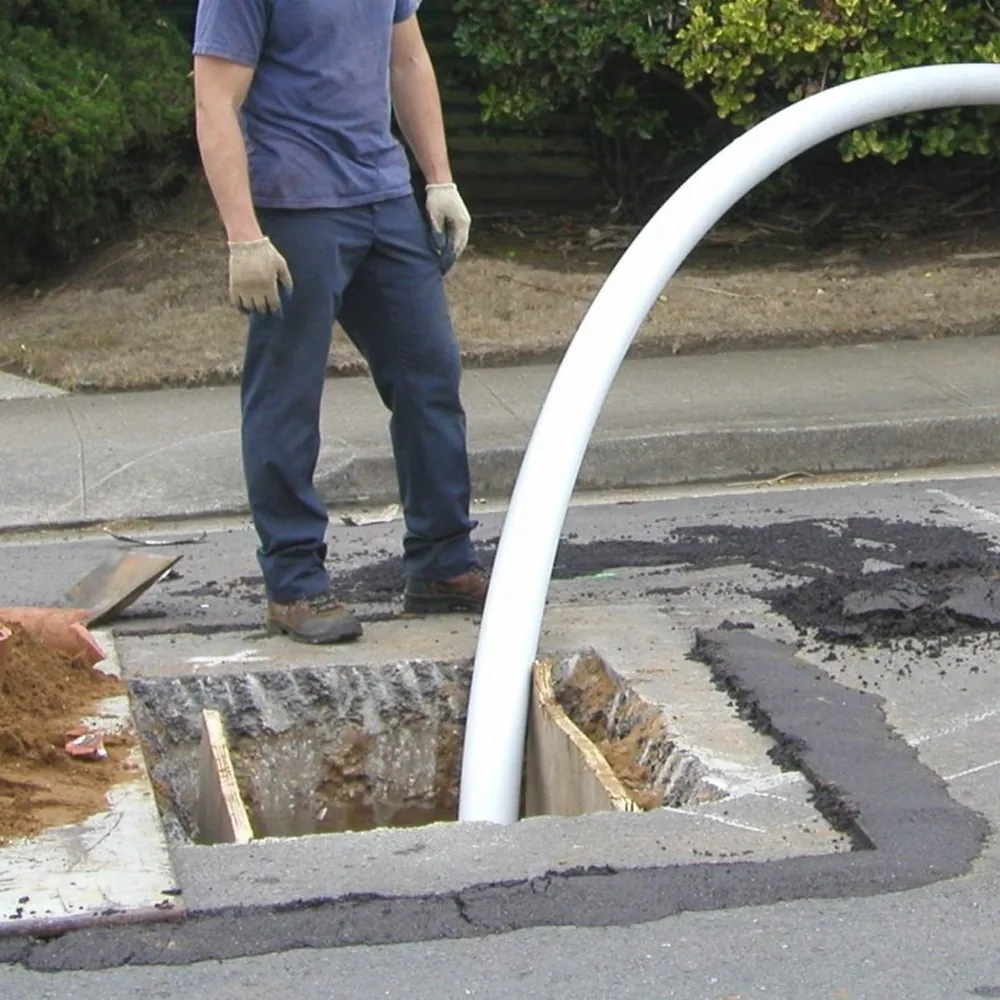
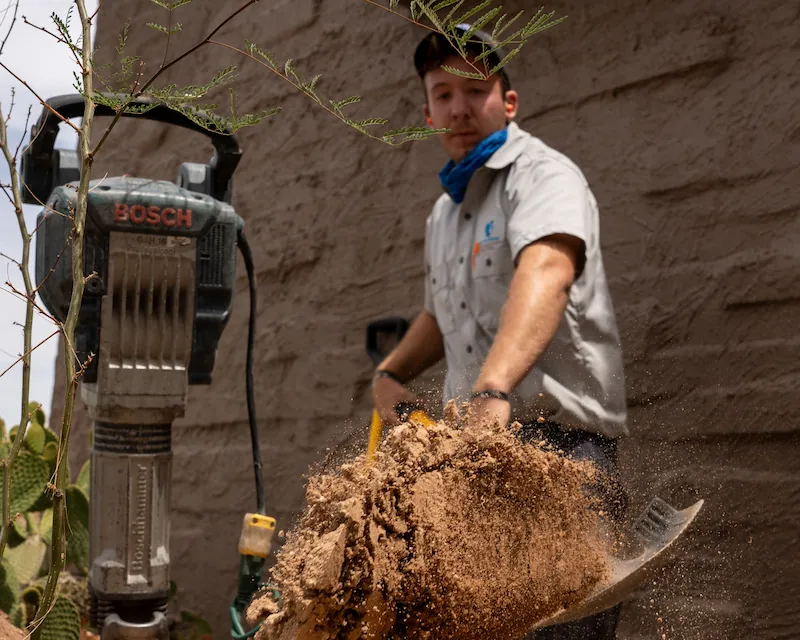
Excavating your yard to fix a pipe is no longer necessary. Our trenchless technology allows us to repair and replace pipes with minimal disruption while following standards supported by the International Association of Plumbing and Mechanical Officials.
Trenchless Pipe Lining and Pipe Repair Without Digging
Trenchless pipe lining restores damaged pipes from the inside. We insert a durable liner that seals cracks and prevents future leaks. Resources from the American Water Works Association emphasize the importance of maintaining reliable underground water and wastewater infrastructure.
Benefits of trenchless pipe lining:
- No major digging or property damage
- Faster completion times
- Long-lasting pipe protection
- Cost-effective alternative to traditional repairs
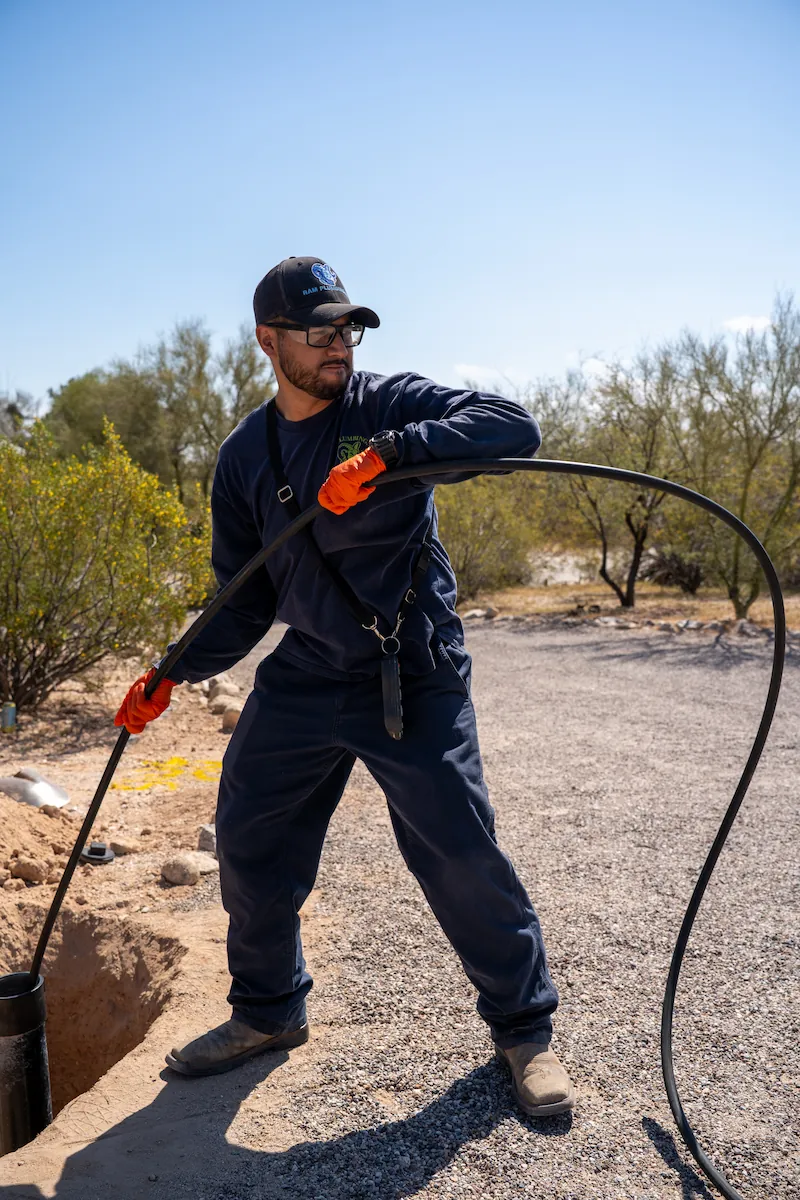
Sewer Line Repair and Replacement Using Trenchless Technology
Sewer issues can be complex, but our advanced solutions simplify the process.
We handle:
- Cracked or collapsed sewer lines
- Root intrusion problems
- Aging or corroded pipes
Our trenchless sewer repair ensures your system is restored quickly and efficiently.
Drain Cleaning and Hydro Jetting Services in Tucson, AZ
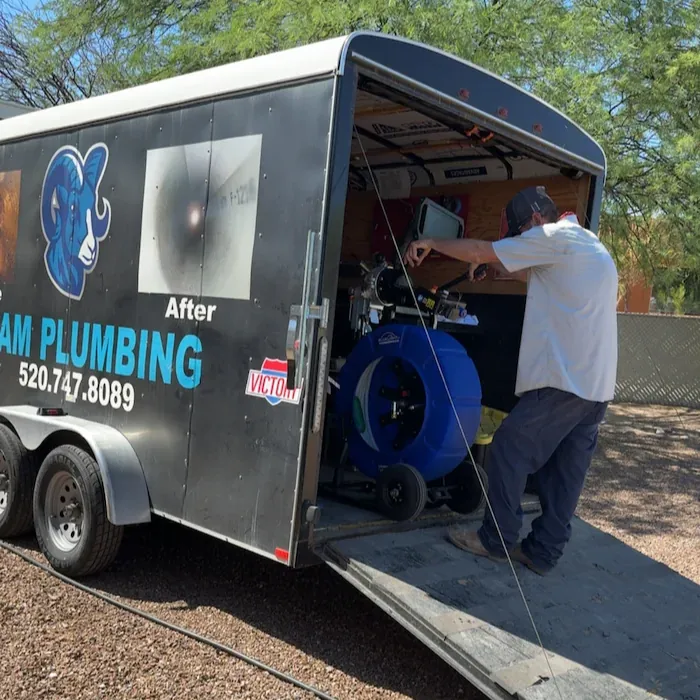
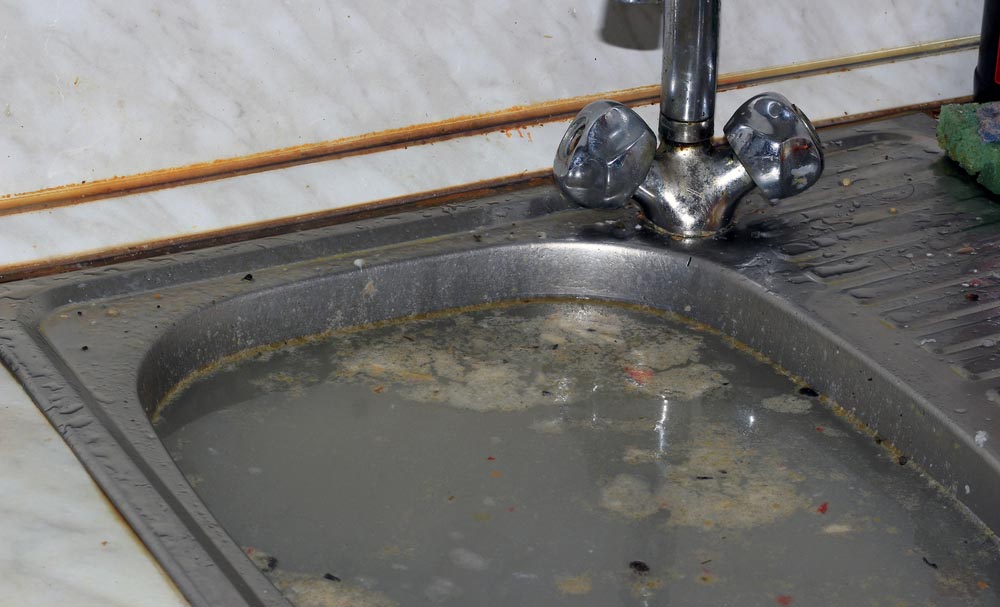
Clogged drains are one of the most common plumbing issues. We provide powerful solutions to eliminate buildup and restore flow.
Professional Drain Cleaning for Clogs and Slow Drains
We remove blockages caused by grease, debris, and mineral buildup.
Signs you need drain cleaning:
- Slow draining sinks or tubs
- Frequent clogs
- Unpleasant odors
- Gurgling sounds
High-Pressure Hydro Jetting for Long-Lasting Results
Hydro jetting uses high-pressure water to clean pipes thoroughly.
Why choose hydro jetting:
- Removes stubborn blockages completely
- Prevents recurring clogs
- Safe for most plumbing systems
- Improves pipe performance
This method delivers deep cleaning results that traditional methods cannot match.
Book an appointment todayWater Filtration and Softener Services in Tucson, AZ
Water quality matters. Hard water and contaminants can affect your plumbing and your health.
Whole-Home Water Filtration Systems
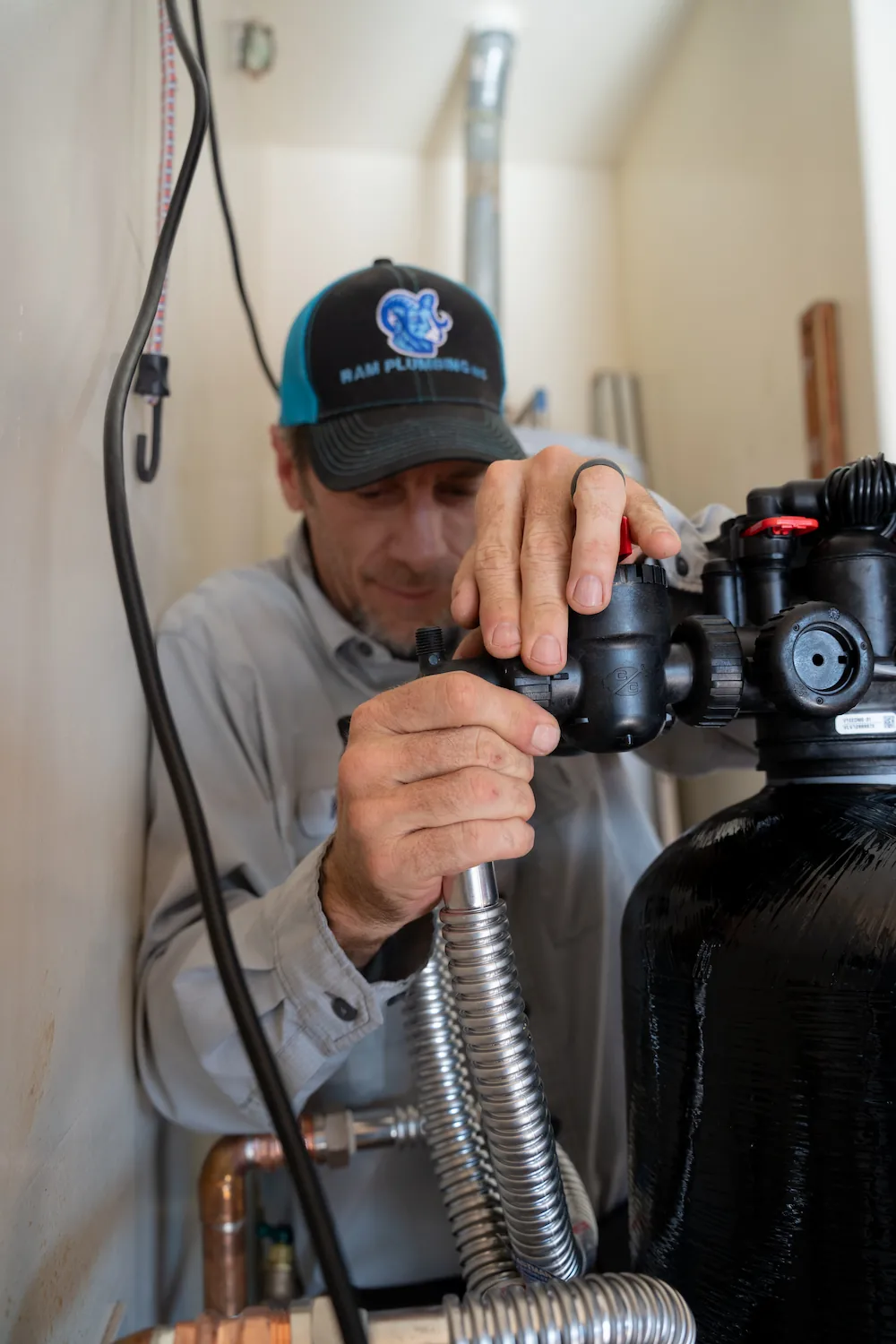
We install filtration systems that remove impurities and improve water quality throughout your home.
Water Softener Installation for Better Water Quality
Hard water is common in Tucson. A water softener protects your plumbing and appliances.
Benefits include:
- Reduced scale buildup
- Longer appliance lifespan
- Improved water taste
- Softer skin and hair
Sewer and Drain Services in Tucson, AZ
Your sewer system plays a critical role in your home’s functionality. We provide reliable solutions to keep it working properly.
Sewer Line Repair and Installation Services
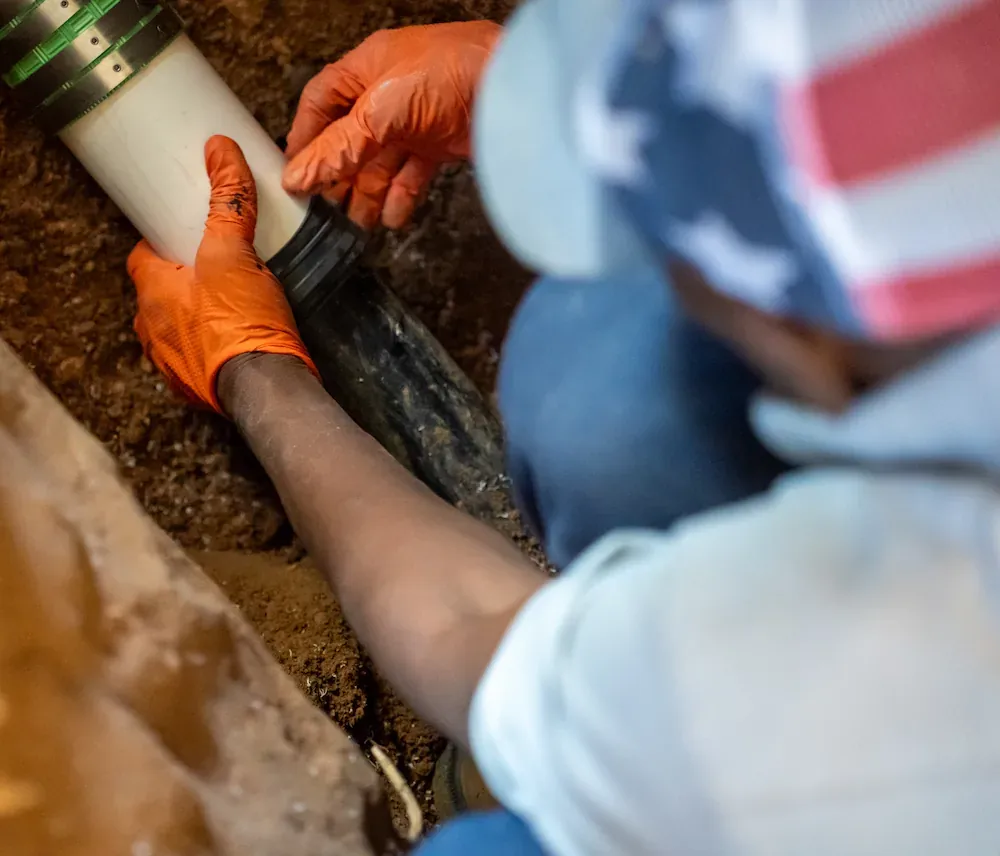
We repair and replace damaged sewer lines using advanced techniques.
Drain Repair and Preventative Maintenance Solutions
Regular maintenance prevents costly repairs and extends the life of your plumbing system.

Stress-Free Payment Plans Through Synchrony
Unexpected plumbing issues shouldn’t have to wait. That’s why Ram Plumbing offers convenient financing through Synchrony, making it easier to get the repairs or upgrades you need—without the upfront stress. With fast approvals and flexible payment plans, you can move forward with confidence and keep your home running smoothly.
Why Choose Our Plumber in Tucson, AZ?
Choosing the right plumbing company is about more than fixing a problem. It is about trust, transparency, and long-term value.
Woman-Owned and Latino-Owned Plumbing Company You Can Trust
We bring a unique perspective to plumbing by combining cultural values with professional excellence.
Local, Community-Oriented Plumbing Experts
As a Tucson-based business, we prioritize relationships and community trust. Learn More
Competitive, Transparent Pricing With No Hidden Fees
We believe in clear, honest pricing.
What you can expect:
- Upfront estimates
- No surprise charges
- Fair and competitive rates
- Clear explanations before work begins
Innovative Plumbing Solutions Powered by Modern Technology
We stay ahead of the industry by embracing innovation.
AI-Driven Diagnostics and Cutting-Edge Plumbing Tools
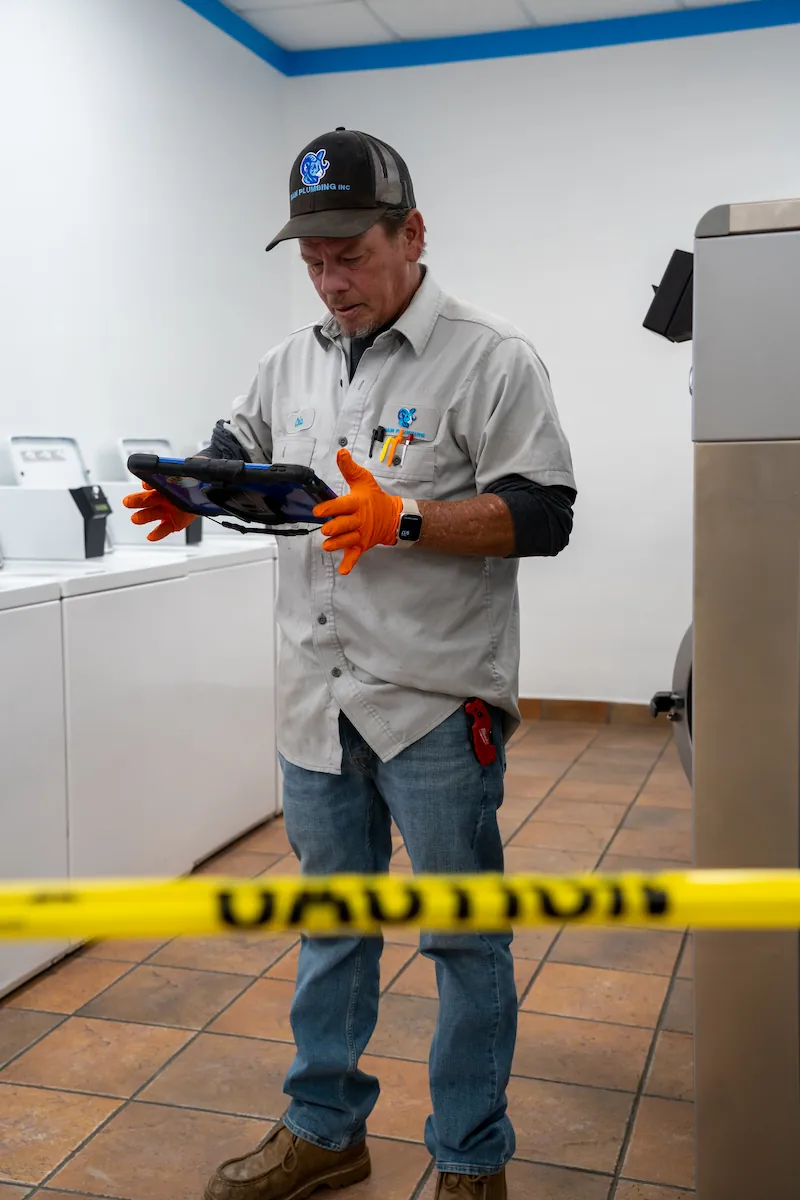
We use modern tools and emerging technology to diagnose problems accurately and efficiently.
Efficient, Future-Ready Plumbing Services in Tucson
Our approach ensures:
- Faster service times
- Accurate problem detection
- Long-term solutions instead of quick fixes
We combine traditional expertise with forward-thinking methods.
Real Reviews From Tucson Homeowners
Our customers trust us because we deliver consistent results.
Plumbing Services Throughout Tucson, AZ and Nearby Areas
We proudly serve homeowners throughout Tucson and surrounding communities.
How Do I Know If I Need a Plumber in Tucson, AZ?
If you experience leaks, clogged drains, low water pressure, or water heater issues, it is best to call a professional plumber to assess and fix the problem.
What Are the Most Common Plumbing Problems in Tucson, AZ?
Common issues include hard water buildup, clogged drains, sewer line damage, and water heater malfunctions.
How Quickly Can You Respond to Emergency Plumbing Requests in Tucson, AZ?
We prioritize urgent calls and respond as quickly as possible to minimize damage and restore your plumbing system.
Are Your Plumbers Licensed and Insured in Tucson, AZ?
Yes, our team is fully trained and operates with a commitment to safety and professional standards.
Do You Offer Free Plumbing Estimates in Tucson, AZ?
We provide clear and upfront estimates so you understand your options before any work begins.

Schedule Your Plumbing Appointment in Tucson, AZ Today
Do not wait for a small problem to become a major issue.
Get a Free Estimate or Book a Plumbing Appointment Online
- Speak directly with a plumbing expert
- Schedule service at your convenience
- Receive transparent pricing
We make it easy to get the help you need.